
Reproductions that match the original — down to the brushstroke.
Two routes to a museum-grade reproduction: archival giclée for two-dimensional originals, and layered UV-inkjet relief for the texture of oil and acrylic paintings. Both rendered on the same color-managed capture chain.
Capture
The chain that runs in lockstep.
Every reproduction starts with capture. Three systems work in concert so that by the time any ink is laid down, the digital master is already a one-to-one of the original.
Phase One IQ4
151 MP medium-format capture on Schneider lenses, 16-bit per channel. The reference standard for fine-art digital photography — every nuance of color and detail is preserved at full size.
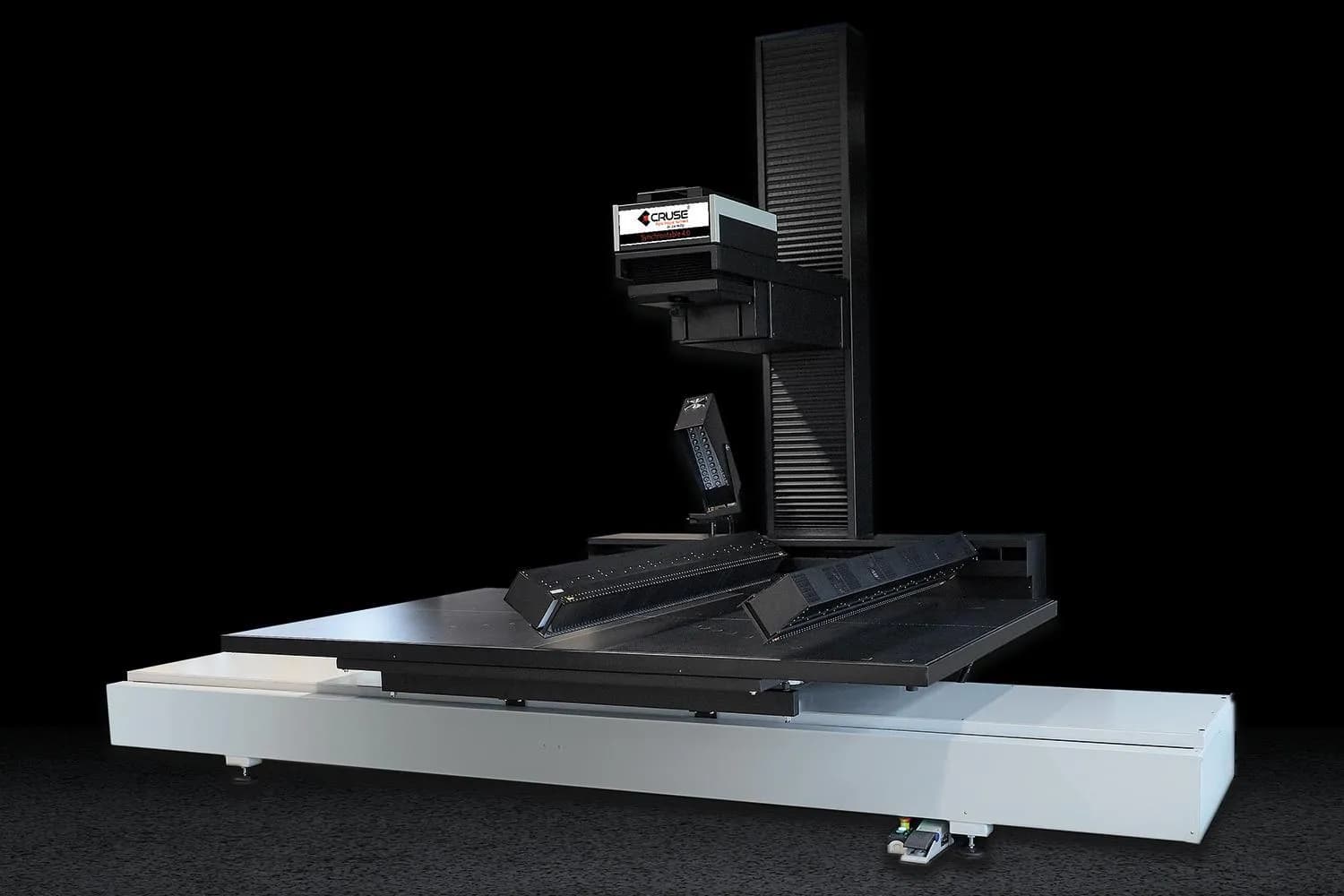
Cruse synchronized-light scanner
For paintings with surface relief, the Cruse system traces the artwork under synchronized lighting from multiple directions, recording brushstroke height and impasto as 3D data. The reference platform for museums, libraries, and archives worldwide.
GoldenThread NXT
ICC-driven color verification trusted by the Library of Congress and Smithsonian. Compares the captured file against the physical target so the printer's first pass already matches the source.
Two-dimensional originals
Archival giclée prints.
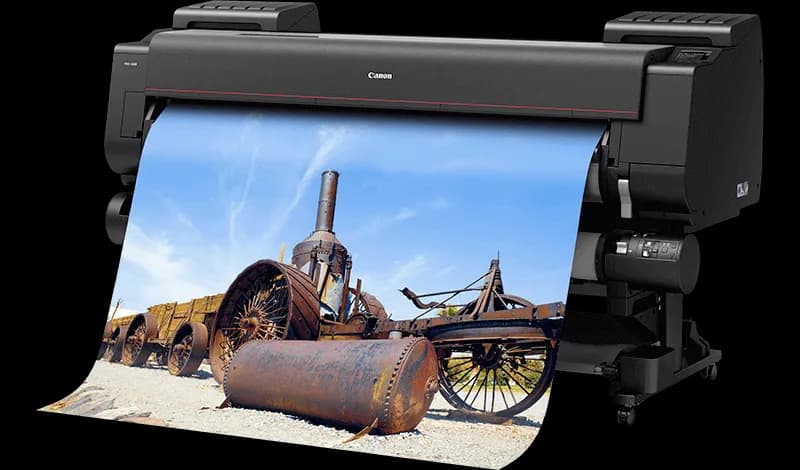
For watercolors, drawings, photographs, lithographs, and any flat work, output runs on the Canon imagePROGRAF PRO-6100 — a 60-inch large-format printer with the 12-channel LUCIA PRO pigment ink set, including Chroma Optimizer for unified gloss and deeper blacks.
Pigment inks lay down on acid-free archival papers and primed canvases. Lightfastness ratings put well-stored prints into the multi-decade range without measurable color shift. Every print is verified against the captured target on a museum-class spectrophotometer before it leaves the studio.
Standard substrates: cotton rag, smooth fine-art paper, museum etching, semi-gloss photo, primed canvas. Custom papers available on request.
Three-dimensional originals
Textured, layered reproductions.
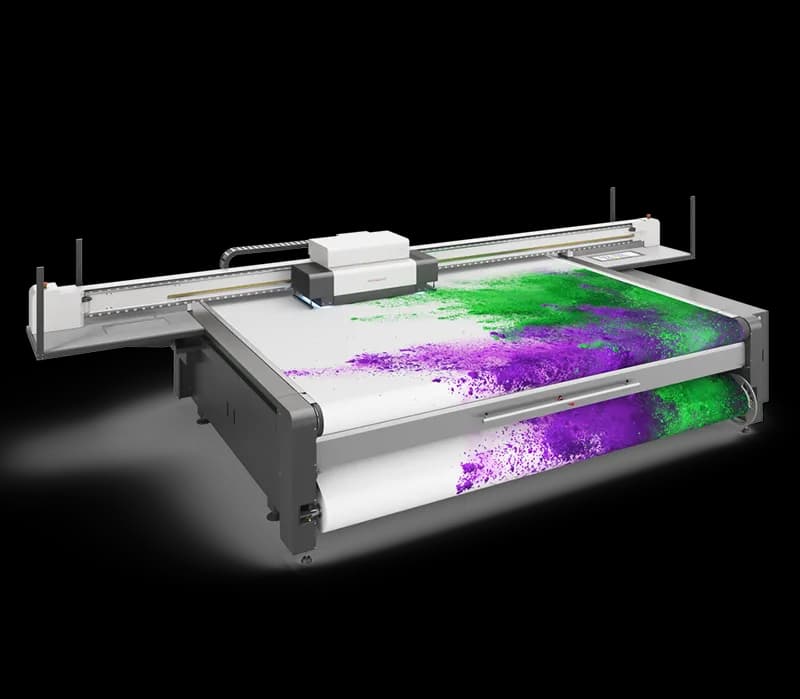
For oil and acrylic paintings — anywhere brushstrokes, palette- knife work, or impasto carry the meaning — the reproduction is built in three dimensions on a swissQprint Nyala 5: a 10-channel UV-LED flatbed with a 3.2 × 2 m bed and 20 print heads.
Surface relief captured by the Cruse scanner drives layer-by- layer ink build-up. The printer lays color and white ink in sequence to replicate brushstrokes, palette-knife marks, and impasto at the same height as the original. Selective varnish closes the finish — matte where the original is matte, gloss where it shines.
UV-cured pigments are color-fast for years. The piece reads as an original under normal viewing; only in raking light does the relief signal "reproduction" — and even then, the surface is unmistakably faithful to the source.
Museum-grade reproduction does more than safeguard the original. It opens new audiences and new revenue without ever putting the source at risk — collectors hang reproductions while originals stay in storage; estates build print programs from a body of work; galleries and museums extend reach beyond their walls. The pipeline scales to all of it, with pyxartis.
Three ways to work with us
Local, national, or onsite anywhere in the world.
Locally, in Denver
Colorado clients drop off and collect in person at our Denver lab, review samples, and meet the team. By appointment.
Visit the labBy shipment, nationwide
Clients across the U.S. ship film, artwork, prints, and archival materials to the lab — tracked and insured — for scanning, reproduction, and documentation.
Start a projectOnsite, worldwide
For major museum, estate, gallery, and cultural-heritage projects, we bring the lab to your collection anywhere in the world.
Onsite preservationReproduction projects
Tell us what you'd like to reproduce.